


Experience the Vibrant Festivity of the Virgen de la Candelaria in Puno
- Malena

- Feb 3
- 4 min read
Puno, perched beside Lake Titicaca in Peru’s high Andes, comes alive every February with one of the country’s most spectacular celebrations: the Festivity of the Virgen de la Candelaria. For us, it’s a rare chance to experience Peru’s culture at its most powerful. Devotion, music, dance, and community pride take over the streets for days on end.
What is the Virgen de la Candelaria Festival?
The festival honours the Virgin of Candelaria, the patron saint of Puno. It blends religious devotion with large-scale cultural performance. Celebrated throughout early February, the 2nd of February serves as the spiritual centre. Around these dates, the city hosts major events, including processions, dance competitions, and parades. Local groups showcase elaborate, highly crafted costumes.
This is much more than a religious gathering. The festival is a living expression of cultural syncretism. It fuses Catholic traditions introduced during the colonial era with the symbolic customs and worldview of the Andes. You can see this blend clearly in the rituals, choreography, costumes, and music that run through the festivities.

Why the Festival Matters
The Festivity of the Virgen de la Candelaria of Puno was inscribed by UNESCO in 2014 on the Representative List of the Intangible Cultural Heritage of Humanity. This recognition reflects the festival’s cultural importance and its role in preserving tradition through community participation, music, dance, costume-making, and the knowledge passed from one generation to the next.
For the people of Puno, Candelaria is a source of pride and identity. It strengthens community bonds and keeps heritage alive through shared preparation and performance. For us, it offers a meaningful window into how faith and history continue to shape everyday life in the Andes, both reverent and joyful at once.
What Visitors Can Expect
During the festival, Puno feels transformed. Streets fill with dancers and musicians performing iconic styles such as:
Diablada
Morenada
Caporales
Each dance has its own rhythm, costume style, and symbolic meaning—often tied to history, belief, and regional identity.
Music is constant, from powerful brass bands to traditional Andean sounds. We may also encounter instruments such as the siku (panpipes) and charango (a small Andean string instrument), adding another layer to the festival’s distinct atmosphere. The processions are especially striking, featuring religious icons, crowds of participants, and an energy that builds throughout the day.
Expect to see:
Elaborate costumes with intricate embroidery, beads, and bold colours
High-energy performances that can run for hours
Religious ceremonies alongside cultural rituals and traditions
Street food stalls serving local favourites such as quinoa soup and anticuchos

When to Visit
The festival takes place every year in early February, with the 2nd of February as the key religious day. If you can, arrive a few days early to enjoy the build-up and smaller events. Then, stay long enough to catch the major dance and parade days as the city reaches peak celebration.
If you’re not keen on the busiest crowds, a smart plan is to combine festival days with quieter times on either side. This way, we can enjoy Puno and Lake Titicaca at a more relaxed pace.
Tips for Visiting the Festival
Puno sits at an altitude of around 3,800 metres, so altitude can catch people out. A few practical tips will make the experience far more enjoyable:
Acclimatise by taking it easy on your first day (or arriving via a lower-altitude stop if you can).
Dress in layers: strong sun during the day, colder temperatures in the evening.
Book accommodation early: festival weeks fill up fast.
Be respectful with photography: ask before taking close-up photos of dancers or religious moments.
Hydrate well, and avoid heavy alcohol in your first couple of days at altitude.

Exploring Beyond the Festival
While Candelaria is the headline experience, Puno has plenty more to offer. The city sits on the shores of Lake Titicaca, often described as the world’s highest navigable lake. When the music fades, the lake provides the perfect contrast: calm waters, dramatic landscapes, and strong living traditions.
Visitors can take boat trips to places such as:
The floating Uros Islands
Taquile Island, known for traditional weaving and local community life
Other lakeside communities that offer cultural visits and scenic viewpoints
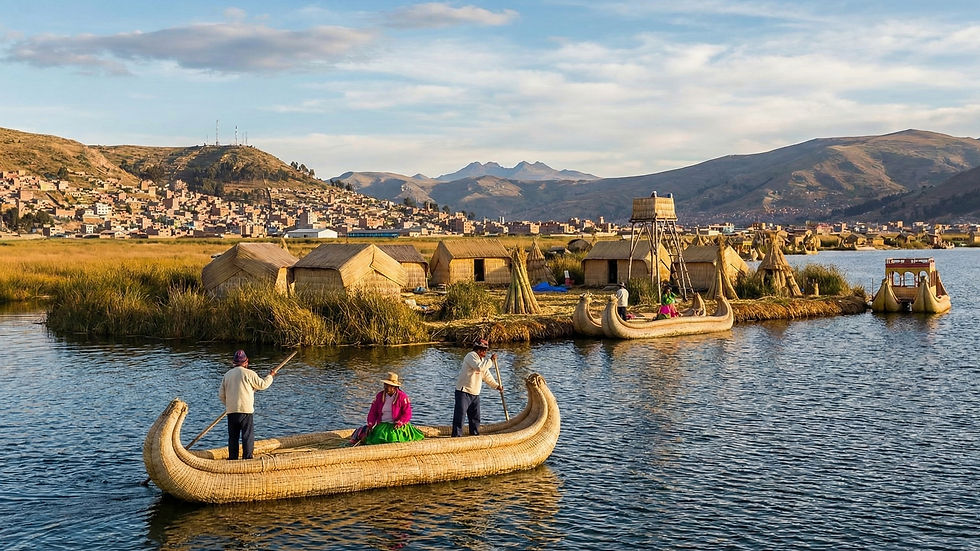
Combining the festival with Lake Titicaca creates a richer experience of the region, one that balances celebration with connection to the land, history, and people who make this part of Peru so distinctive.
The Heart of Peruvian Culture
The Festivity of the Virgen de la Candelaria is not just an event; it's a deep dive into the heart of Peruvian culture. We can witness the vibrant expressions of faith, artistry, and community spirit. This festival invites us to celebrate alongside the locals, sharing in their joy and traditions.
As we immerse ourselves in this experience, we’ll find that the festival is a beautiful reminder of the power of culture to unite us. So, let’s embrace this opportunity to connect with the rich tapestry of life in Puno!
Malena x
Ready to explore more of Peru? Subscribe below to receive my latest travel tips, or browse our regional guides to discover what lies beyond the capital.

Purely Peru – Celebrating Heritage & Culture
Discover more at purely-peru.com


Comments